Jeep vehicles have earned legendary status for their rugged capability, distinctive design and adventurous spirit. However, when a Jeep is involved in a collision, owners quickly discover that repairing these iconic vehicles requires specialized knowledge, equipment and expertise that goes far beyond standard auto body work.
Why Jeep Collision Repair Is Different
Specialized OEM Parts and Mopar Components
Jeep vehicles require genuine Mopar parts to maintain structural integrity, warranty coverage and authentic performance. Unlike generic aftermarket alternatives, Mopar components are engineered specifically for each Jeep model’s unique specifications. From removable doors and tops on Wranglers to specialized bumpers and fender flares, these OEM parts ensure proper fit, finish and functionality. Using non-OEM parts can compromise safety systems, void warranties and diminish resale value.
Advanced Driver Assistance Systems (ADAS)
Modern Jeeps feature advanced ADAS, including adaptive cruise control, lane departure warning, blind-spot monitoring and forward-collision warning. These systems rely on precisely calibrated cameras, radar sensors and ultrasonic sensors integrated throughout the vehicle. Even minor collision repairs affecting these components require specialized recalibration using manufacturer-specific equipment and procedures. Improper calibration can render safety systems ineffective or cause false alerts, creating dangerous driving conditions.
Complex 4×4 and Transfer Case Systems
Jeep’s renowned four-wheel-drive capability depends on intricate mechanical and electronic systems, including transfer cases, differentials and driveline components. Collision damage—particularly to undercarriage areas—can affect these systems in ways not immediately visible. Certified technicians must inspect and test 4WD functionality, ensuring transfer case operation, differential integrity and proper electronic engagement. Overlooking these systems during repair can lead to catastrophic failures during off-road use.
Aerodynamic Features and Active Components
Despite their rugged appearance, modern Jeeps incorporate aerodynamic features like active air dams that automatically deploy at highway speeds to improve fuel efficiency. These systems require proper programming and testing after front-end collision repairs. Additionally, removable components like doors, hardtops and soft tops must align precisely with weatherstripping and latching mechanisms—repairs must maintain these critical tolerances.
Structural Integrity for Off-Road Capability
Jeeps are built to withstand extreme off-road conditions, with reinforced frames, skid plates and body-on-frame construction (in models like Wrangler and Gladiator). Collision repairs must restore this structural strength using manufacturer-approved techniques and materials. Improper frame straightening or welding can compromise the vehicle’s ability to handle trail obstacles, towing loads and articulation demands. Certified technicians understand the specific stress points and structural requirements unique to Jeep platforms.
Electronics and Integrated Systems
Jeep vehicles feature complex electrical architectures integrating infotainment, climate control, lighting and powertrain management. Collision damage can affect wiring harnesses, control modules and network communications throughout the vehicle. Proper diagnosis requires manufacturer-specific diagnostic tools and software to identify hidden electrical issues that could cause problems long after visible repairs are completed.
The Importance of Certified Technicians
Jeep collision repair demands technicians with manufacturer-specific training and certification. These professionals understand the unique engineering of Jeep vehicles, have access to technical service bulletins and repair procedures, and use specialized tools required for proper repairs. Certification ensures technicians stay current with evolving Jeep technology and repair methodologies.
Jeep Collision Repair FAQs
Q: Will aftermarket parts affect my Jeep’s warranty?
A: Yes. Using non-OEM parts can void portions of your manufacturer’s warranty. Genuine Mopar parts maintain warranty coverage and ensure proper performance.
Q: How long does a typical Jeep collision repair take?
A: Repair timelines vary based on damage severity and parts availability, typically ranging from one week for minor repairs to several weeks for major structural damage requiring specialized components.
Q: Do I need ADAS recalibration after windshield replacement on my Jeep?
A: Yes. Jeeps with camera-based ADAS systems mounted on or near the windshield require precise recalibration after replacement to ensure safety system accuracy.
Q: Can any body shop repair my Jeep’s aluminum components?
A: No. Aluminum repairs require specialized equipment, separate work areas to prevent contamination and specific welding techniques. Only certified facilities should perform aluminum collision repairs.
Q: Should I be concerned about frame damage on my Jeep Wrangler?
A: Absolutely. Frame integrity is critical for safety and off-road capability. Proper inspection and repair using manufacturer-approved methods ensure your Wrangler maintains its legendary durability.
Trust Your Jeep to The Experts
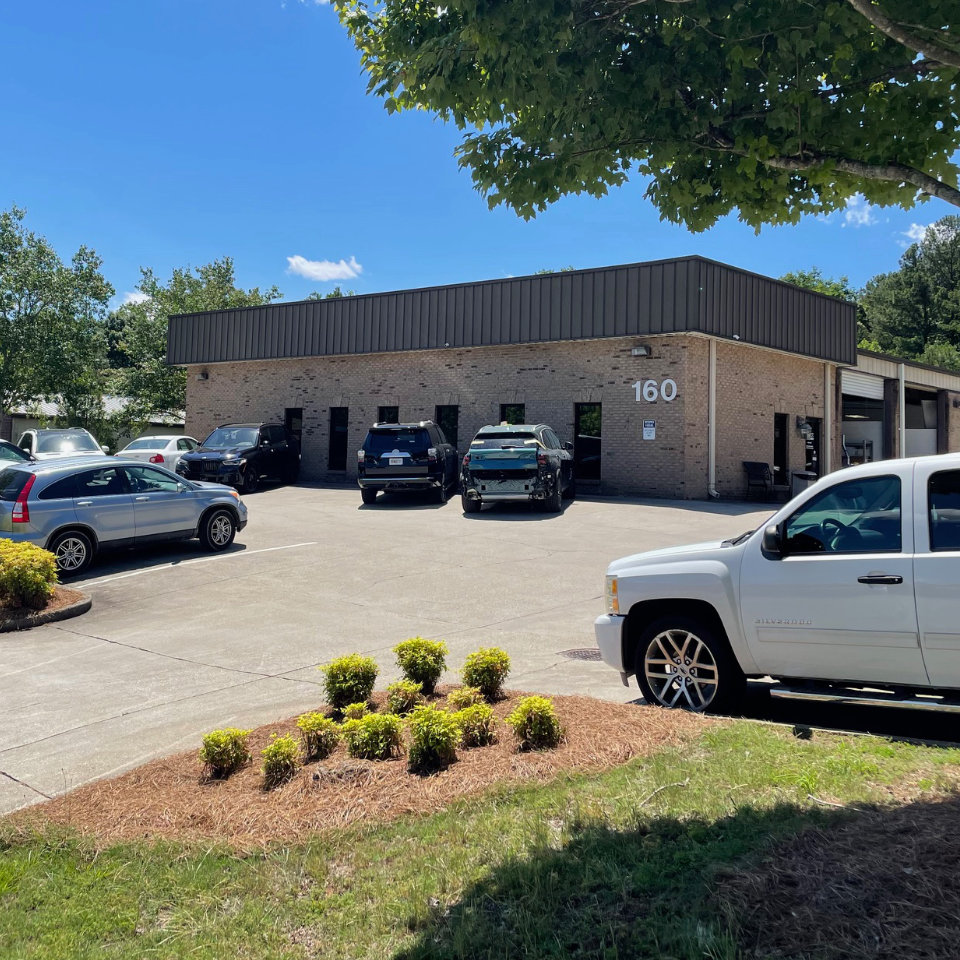
When your Jeep needs collision repair in the Roswell or north Atlanta area, trust The Collision Company’s certified technicians who specialize in Jeep vehicles. Our facility features manufacturer-specific diagnostic equipment, genuine Mopar parts and technicians trained in the unique aspects of Jeep repair—from ADAS calibration to 4×4 system verification. We understand that your Jeep isn’t just transportation; it’s an investment in adventure and capability.
Contact The Collision Company today to schedule an estimate and experience the difference that specialized Jeep expertise makes. Your Jeep deserves nothing less than certified, comprehensive collision repair that restores it to factory specifications.
Posted on behalf of
160 Mansell Pl
Roswell, GA 30076
Phone: 770-667-1184
Email: [email protected]
Business Hours
Mon - Thu: 8:00 am - 6:00 pm
Friday: 8:00 am - 5:00 pm
Sat & Sun: Closed